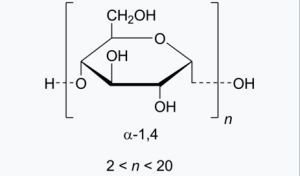
Maltodextrin is produced through enzymatic or acid hydrolysis of starches derived from sources like rice, potatoes, or corn. This process breaks down the starch molecules into shorter chains of glucose units, resulting in a water-soluble and easily digestible carbohydrate powder. The degree of hydrolysis determines the size and properties of the resulting maltodextrin molecules.
It serves as a versatile additive with multiple functions. In powdered cosmetics, it acts as a bulking agent, improving texture and dispersion. In skincare, it can enhance product feel, stability, and absorption. Maltodextrin’s water-absorbing properties also make it valuable in dry shampoos and oil-controlling formulations.
Maltodextrin comes in two forms: High DE and Low DE. DE: a measure of the degree of hydrolysis of starch. Both are used in cosmetic products.
-
A higher DE means shorter carbohydrate chains, more simple sugars, sweeter taste, and higher solubility. It preferred to use in serum, …..
-
A lower DE means longer chains, less sweet, more like starch, and more body/bulk. It preferred to use in powders, emulsions, masks, and encapsulation systems.