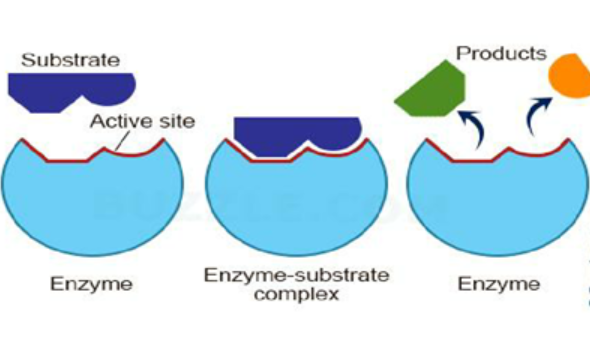
Enzymes correspond to protein molecules that act as catalysts to accelerate a biochemical reaction. In the detergent industry, they help the breakdown of larger molecules (present, for example, in a stain) into smaller fragments, which can easily be removed by other ingredients present in the detergents formulation. Due to these properties, commercial enzymes are used in detergent products to provide a higher degree of stain removal, whiteness, fabric and colour care and overall cleaning performance. Moreover, enzymes will remove stains at lower temperatures, which in turn minimises energy consumption linked to the cleaning process.
Modern detergents, especially biological ones, heavily rely on enzymes to effectively break down various stains during the washing process. The primary enzymes used are proteases, lipases, amylases, and cellulases, each targeting different types of stains: proteases for protein-based stains (blood, egg, grass), lipases for fats and oils, amylases for starches (pasta, rice), and cellulases for cellulose-based stains and fabric care.