
Sensitive skin refers to skin hyperreactivity that occurs under certain physiological or pathological conditions and primarily affects facial skin. When stimulated by chemical and mental factors, sensitive skin will manifest as a burning sensation, stinging pain, itching, and tightness, which are accompanied or unaccompanied by objective signs, such as erythema, skin scaliness, and capillary dilation.
The causes of sensitive skin are multifactorial, encompassing intrinsic factors such as genetic background, age, and gender and external environmental influences, such as climatic fluctuations, changes in season, the use Chemical substances like cosmetics, fragrances, and hair dyes used in everyday life, disinfectants, environmental pollution, and dietary habits of consuming irritating food. Sensitive skin is a common skin condition that is highly prevalent worldwide. And women are more prone to experiencing sensitive skin conditions than men.
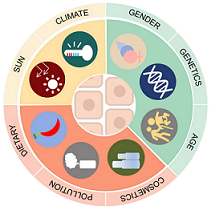
Among the cases that can be considered skin diseases are: atopic eczema, acne, contact dermatitis, and eczema.
The formation of sensitive skin is a complex and subtle process involving multiple processes, such as skin-barrier impairment, abnormal neurovascular excitation, and the activation of immune inflammation. Interactions among these factors increase the sensitivity of the skin to external stimuli, triggering a series of discomforting clinical symptoms, such as burning, stinging, itching, and tightness.
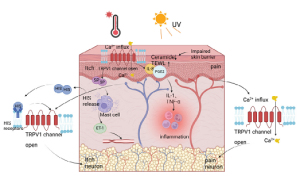
Impairment of Skin-Barrier Function
The skin barrier is a natural protective membrane. Normal skin-barrier function is critical for maintaining physiological skin functions. Besides blocking the invasion of
harmful chemical, physical, or biological factors from the external environment, the skin barrier can also prevent the loss of nutrients, water, and electrolytes. In sensitive skin, reduced ceramide content is common because of impaired stratum corneum integrity and imbalanced lipid content in epidermal cells. A reduction in ceramide content damages the skin barrier, increasing water loss and weakening the defense capacity of the skin against bacteria. Skin physiological indices, such as TEWL and water content in the stratum corneum, can indicate the degree of the impairment of the skin-barrier function.
Active Substances with Skin-Soothing Effects
Given the mechanisms of sensitization and characteristics of sensitive skin, it is evident that sensitive skin is closely associated with skin-barrier impairment, vascular hyperreactivity, and inflammatory responses arising after TRPV1 receptor activation. Therefore, skin-barrier repair, reduction in TRPV1 receptor activity, and inhibition of inflammation are critical targets for treating sensitive skin.
The following substances are used for promotes sensitive skin repair, anti-inflammation, antioxidant activity, collagen synthesis, and angiogenesis: Dextrin, Zinc Lactate, Allantoin, Bisabolol, Betulin, Aloe Barbadensis Leaf Juice, Cannabis Sativa Seed Oil, Cannabidiol, Curcumin, Types of oils, polysaccharides, Madecassoside, Asiaticoside, Asiatic Acid, Quercetin, Isoflavone, Rutin-casein, Glycyrrhiza glabra, Dipotassium glycyrrhizinate.
Ref: Mechanisms of Sensitive Skin and the Soothing Effects of Active Compounds: A Review


