Skin care dates back to the Mesolithic period (8000-20000 BC), when castor oil and fat were used to soften the skin and tattoos were done using plant dyes.
Cleopatra, the Egyptian queen and ruler of BC, slept in milk (containing alpha-hydroxy acids) to soften her skin. During this time, exfoliators, hair removers, and anti-wrinkle creams were created, there were separate products for women and men, oils were used to protect the skin, and a combination of oats and crushed sesame seeds was used as a face mask.
The ancient Greeks prepared cold cream using beeswax, olive oil, and rose water, and recommended the use of ground garden snails as a moisturizer.
In ancient Rome, steam treatments, body scrubs, and massage therapy were offered in Roman baths (built on hot sulfur springs) and rich oils were used for the skin.
In the Middle Ages, face masks were made using ground asparagus roots and goat’s milk, hair gel was made from swallow droppings and lizard scales, and essential oils were used to make perfumes and disinfectants.
In the Renaissance, people used lead to whiten their faces and dyed their hair with saffron or sulfur. A mixture of sage, nettle, and powdered clay was used to clean teeth and perfume to cover body odor.
In the Elizabethan era, lead mixed with vinegar was used to whiten the face, oil of vitriol (sulfuric acid) and rhubarb juice were used as a tonic and hair lightener, beaten egg whites were used to firm and brighten the skin, bear fat was a common base for blush and skin creams, ground pearl oysters were used for iridescent eyeshadow, and a mixture of red wine, donkey milk, rainwater, and urine was used as a facial cleanser.
In the 17th century, medicinal plants were used for skin care, including: broom stems for cleansing the skin, oatmeal boiled with vinegar to treat blemishes and acne, wheat bread soaked in rose water to soothe tired eyes, and woodbine ointment for sunburn.
In the Victorian era, which was the 19th century, belladonna water was recommended to eliminate wrinkles caused by excess weight and to dilate the pupils.
Beauty masks and facial masks were made from ingredients that are still used today, such as honey, eggs, oatmeal, milk, fruits, and vegetables. Hot milk baths with herbs such as flaxseed were used to soften the skin.
As the 20th and 21st centuries entered, skin care products became more common and developed:
1908: Elizabeth Arden introduced the concept of the “beauty cream”; she developed natural-based skin care products.
1946: Estee Lauder started her company with a skin cream formulated by her chemist uncle.
1955: Lancôme launched the Oceane line, which contained pure marine plants enriched with algae and trace elements
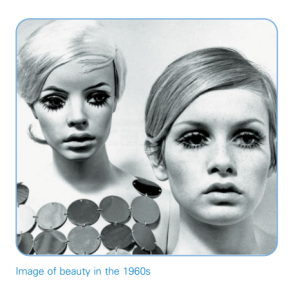
1960: Women began to use facial moisturizers; cold creams such as Pond’s, Nivea, or Astral were used to cleanse
1962: The Society of Cosmetologists was founded.
1970s: The review body adopted the name International Health and Beauty Council (IHBC).
1970s and 1980s: Manufacturers introduced a wider range of skincare products.
1980s: The first NVQs (National Vocational Qualifications) were introduced by the Health and Beauty Industry Training Board.
1990s: Skincare became associated with health, with products based on medicinal herbs, essential oils, aromatic extracts, antioxidants and vitamins being produced and marketed.
2000s: A wide range of professional skincare products became available to consumers in salons and spas around the world. The development of medical aesthetics and the production of products for men’s skincare became popular and widespread