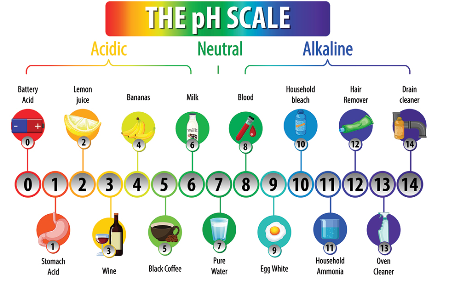
Alkali in detergent formulations serves as a key ingredient that creates an alkaline environment (PH 7 to 11), essential for effective cleaning by neutralizing acids, breaking down oils, fats, and greases, and enhancing soil removal. Also, they are used for adjusting PH of formula.
This elevated pH improves cleaning efficiency by:
Neutralizing acidic soils such as fatty acids, making them water-soluble.
Emulsifying and breaking down greasy and oily soils, enabling their suspension and removal during washing.
Alkalis also help keep soil particles suspended, which prevents them from redepositing onto fabrics or surfaces during the wash cycle.
Alkali levels must be optimized to avoid fabric damage, skin irritation, or environmental concerns associated with excessive alkalinity.
Common Alkalis Used in Detergents:
Sodium Hydroxide (Caustic Soda): A strong alkali used mainly in heavy-duty cleaning products for its powerful grease-cutting and saponification capabilities.
Potassium Hydroxide: Similar to sodium hydroxide, often used in liquid detergent or cleaner formulations.
Sodium Carbonate (Washing Soda): A moderate alkali commonly used in laundry detergents to soften water and increase pH.
Trisodium Phosphate (TSP): A strong alkaline builder widely used for soil removal and water softening.
Borax (Sodium Borate): Used for pH buffering and to improve cleaning performance by modifying water hardness.