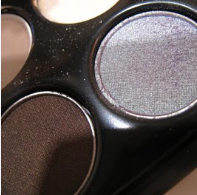
Opacifying refers to the process of making a product less transparent or translucent, giving it a more opaque or white appearance. This is achieved by adding specific ingredients called opacifiers, which scatter or block light transmission, create creamy, rich, or milky appearance by increasing the product’s opacity. They are widely used in creams, lotions, body washes, shampoos, conditioners, foundations, and makeup products to conceal skin imperfections or to create a desired aesthetic effect which is often a consumer expectation
Classifiers of opacifiers and examples:
1- Inorganic Compounds, known for high refractive index and excellent opacity or hiding power like Titanium Dioxide (TiO2), Zinc Oxide (ZnO), Zirconium Silicate
2- Fatty Acid Derivatives, provide creamy texture and opacifying effect like Ethylene Glycol Distearate, Glycol Palmitate
3- Polymer-Based Opacifiers, film-forming agents that contribute to opacity and texture like Styrene/Acrylates Copolymer
4- Pearlescent Substances, add pearly luster and mild opacifying effect like Mica, Calcium Sulfate