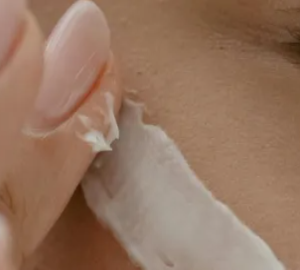
The world of cosmetics encompasses a wide range of textures, from lightweight lotions to luxurious creams and refreshing gels. Gelling agents play an important role in achieving these diverse textures, giving structure and stability to various formulations.
Gelling agents are used in a wide range of cosmetic products, including the following:
Hair care: Gels, styling mousses and hair sprays often use gelling agents to hold and structure the hair.
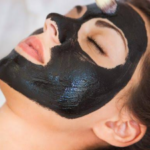
Skin care: Gels, moisturizers, serums and masks all use gelling agents for texture, delivery of active ingredients and occlusive properties (trapping moisture in the skin).
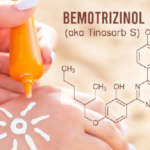
Sun care: Gels and lotions often use gelling agents for a light, spreadable texture and water resistance.
Gels and Gelling Agents
A gel is a semi-solid material that combines the properties of a liquid and a solid. It has a three-dimensional network structure formed by the gelling agent, which traps liquids in its network. This network provides the structure, viscosity (thickness), and stability of the final product.
Gelling agents are substances that are responsible for forming gels. They can be natural or synthetic, organic or inorganic, and come from a variety of sources. These agents interact with other components in a cosmetic formula to form a gel network. The type of gelling agent used determines the final texture, transparency, and other properties of the final product.
Types of Gelling Agents in Cosmetics
The cosmetics industry uses a wide range of gelling agents, each with its own unique characteristics.
Here are some common gelling agents and their properties:
1- Natural gelling agents:
Polysaccharides: These gelling agents, which are derived from plants or algae, are widely used due to their natural origin and diverse functions. Examples include:
- Agar-agar: extracted from red algae and forms strong, heat-reversible gels. It is ideal for creating firm gels and jellies.
- Carrageenan: Different types (kappa, utta, lambda) with different gelling properties are obtained from red algae extracts. It can form transparent, heat-reversible gels with different textures.
- Alginates: derived from brown algae and require specific cations (calcium, magnesium) to form gels. They are often used in peel-off masks and gels with a cooling effect
- Gellan gum: A microbial polysaccharide that forms strong, heat-reversible gels. This gum has good transparency and stability, making it suitable for a variety of applications.
- Pectin: Extracted from the peel of fruits, it forms weak gels that require additional ingredients for structure. It is commonly used in jams and jellies, but is also found in some cosmetic gels.
Proteins:
- Gelatin: Derived from animal collagen, it forms heat-reversible gels. Depending on the strength of the bloom, it offers a wide range of textures and is commonly used in hair styling products and some skin care formulations.
- Plant Gums: Gums such as guar gum and locust bean gum are derived from seeds and have thickening and gelling properties. They are often used in combination with other gelling agents.
- Synthetic Gelling Agents:
- Acrylic Polymers: These versatile polymers offer a wide range of thickening and gelling properties. They can be tailored to provide specific textures, transparency, and water resistance. Some examples include carbomer and acrylates/C10-30 alkyl acrylate crosspolymers.
- Cellulose Derivatives: Modified cellulose derivatives such as hydroxyethyl cellulose (HEC) and hydroxypropyl cellulose (HPC) offer thickening and gelling properties. They are often used in water-based formulations due to their compatibility and film-forming ability.
Selecting a gelling agent in products:
The selection of a gelling agent depends on several factors, including:
- Desired texture: Different gelling agents offer a wide range of textures, from light, spreadable gels to stiff, structured gels
- Transparency: Some gelling agents form clear gels, while others may have an opaque appearance. The desired level of transparency should be considered.
- Thermal stability: Some gelling agents require heat activation, while others form gels at room temperature. The manufacturing process and desired stability of the product will influence this choice.
- Compatibility with other ingredients: The gelling agent must be compatible with other ingredients in the formula to ensure proper gel formation and stability.
- Skin feels: Some gelling agents may impart a certain feel to the skin, such as tackiness or a silky touch