A Cosmetic Product Safety Report (CPSR) is the mandatory safety assessment document for cosmetic products placed on the market in the European Union and United Kingdom, under their respective cosmetics legislation.
Under EU Regulation (EC) No 1223/2009, a cosmetic product must undergo a safety assessment and have a CPSR before it is placed on the EU market. The safety assessment is carried out by a qualified safety assessor.
What Is a CPSR and Why Is It Required?
The purpose of a CPSR is to demonstrate that a cosmetic product is safe for human health when used under normal or reasonably foreseeable conditions of use.
The assessment considers the complete formulation, including ingredient concentrations, product characteristics, impurities and traces, packaging, intended use, exposure, toxicological information and undesirable effects.
A CPSR is not necessarily a one-time document. Changes to the formulation, product use, packaging or other relevant information may require the safety assessment to be reviewed and, where necessary, updated.
The CPSR forms part of the Product Information File (PIF), which must be maintained by the Responsible Person.
CPSR Part A vs Part B
Part A: Cosmetic Product Safety Information
Part A contains the safety information and supporting data required by the qualified safety assessor to conduct the assessment. This includes formulation, physicochemical and microbiological information, impurities and traces, packaging, exposure, toxicological information and undesirable effects.
Part B: Cosmetic Product Safety Assessment
Part B contains the assessor’s scientific evaluation and safety conclusion. It includes the assessment conclusion, relevant warnings and instructions for use, reasoning, and the assessor’s qualifications and approval.
Testing and Supporting Data
A CPSR is an evidence-based safety assessment. The specific data required depend on the product, formulation, intended use, exposure and identified safety considerations.
Supporting evidence may include stability and microbiological data, preservative efficacy testing where appropriate, physicochemical parameters, impurity information, toxicological data, scientific literature and other scientifically justified evidence.
New testing is not automatically required for every ingredient or product. Existing data, in vitro methods, NAMs, read-across and other relevant scientific approaches may contribute to the safety assessment where appropriate.
CPSR Process
The CPSR process generally involves:
- Finalising the formulation and product information
- Collecting relevant supporting documentation
- Reviewing exposure and toxicological information
- Identifying and addressing data gaps
- Conducting the safety assessment
- Preparing and signing the CPSR
- Maintaining the assessment when relevant product or regulatory information changes
The time required varies depending on the formulation, product type, availability of supporting data and complexity of the safety assessment.
Which Products Need a CPSR?
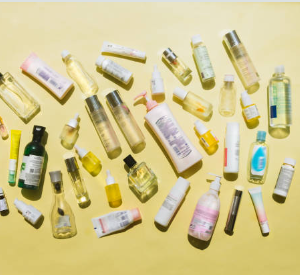
A CPSR is required for cosmetic products intended to be placed on the EU or UK market. Common product categories include:
Product category | Examples |
Skin care | Creams, lotions, serums, oils |
Hair care | Shampoos, conditioners, hair treatments |
Colour cosmetics | Foundations, lip products, eye makeup |
Fragrance | Perfumes, eau de toilette, body mists |
Cleansing products | Facial cleansers, body washes, soaps |
Sun care | Sunscreens and after-sun products |
Oral care | Toothpaste and mouth-care products |
Deodorants | Deodorants and antiperspirants |
The regulatory classification of the product should always be confirmed based on its composition, presentation, intended purpose and claims, as not every product marketed for personal care is necessarily a cosmetic under the legislation.
Source link